

 Contact


What’s New in AQ?
The world of Air Quality and Odour is always changing as research advances our understanding of air pollution, odour sources, and the subsequent health and amenity impacts.
Along with this growing body of research and public awareness, comes updated guidance for planning and permitting we must address in order to best advise our clients and ensure the success of their projects. Presented below are a number of new developments that may be applicable to you or your current projects.
Cost Implications
The ‘Air Quality Damage Cost Update 2025’ steers the assessment of air quality impacts and the valuation of external costs, superseding the previous 2023 values. A revised set of ‘damage cost’ values estimated per tonne of air pollutant emission have been calculated to capture the associated societal costs. These can be combined with forecasts of changes in air pollutant emissions to provide an approximate valuation of the external impacts of a development or a policy.

Odour Management
December 2025 saw Defra publish a range of revised tools and guidance for use in Air Quality and Odour Assessments. The Environment Agency’s ‘H4 Odour Management’ guidance was officially withdrawn and replaced with ‘Odour management: comply with your environmental permit’.
This new guidance is more accessible and structured around permit compliance requirements and risk management, emphasising Best Available Techniques (BAT) to prevent or minimise odour along with measures appropriate to the specific site and sector. Most notably, it shifts the focus of assessments away from numerical assessments to public complaints and community impact when determining the severity of odour pollution. It also sets out a practical framework for writing Odour Management Plans and integrates them more closely with permit conditions and compliance expectations, requiring regular reviews and continuous improvement.
BREEAM Version 7
BREEAM New Construction Version 7 has replaced the Version 6 and 2018 schemes and sits alongside BREEAM New Construction Residential Version 6.1, with BRE continuing to refine the assessment criteria to drive the delivery of built assets so they are environmentally responsible in both construction and operation. Within the Version 7 update, the Health and Wellbeing section has been restructured, with Indoor Air Quality Plans now worth one credit within Hea 04 and required as a minimum standard for projects targeting Very Good ratings and above.
Crematoria
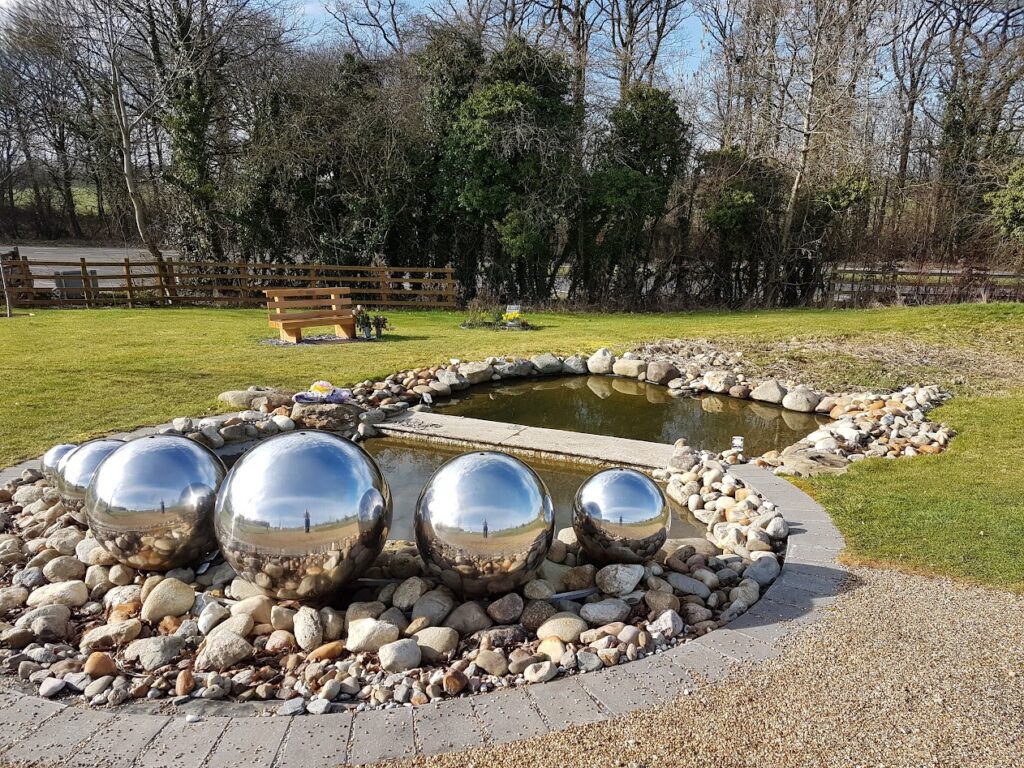
The long awaited ‘Crematoria: process guidance note 5/2 (25)’ has been published, replacing the previous version and a number of older supplementary documents. Local Authority regulators must use this note to assess applications and write permits for crematoria. The new guidance outlines specific emission limits and monitoring requirements for pollutants including mercury and NOx, as well as the necessity for fully accredited monitoring. It is anticipated that the data collected through this broader pollutant reporting will inform future emission limit values for pollutants that don’t yet have set standards.
Clean Air Night
Finally, 22nd January 2026 marked Clean Air Night, an annual campaign by Global Action Plan which aims to educate the public on indoor air pollution and discourage domestic solid-fuel burning. On the same day, the government opened a UK-wide public consultation, which sets out proposals to reduce emissions from domestic burning through stricter emission limits for new stoves, mandatory labelling for stoves and fuels and increased enforcement penalties for suppliers who breach fuel standards. These measures aim to cut harmful emissions, support cleaner technologies, and give households better information about the health impacts of burning solid fuels. The consultation remains open until 19th March 2026.
Article by Hazel Swinfen, Senior Air Quality Consultant


